MIRA at LEGI: Multimodal Spectral Image Acquisition Campaign for Flow Characterization
April 9, 2024
Introduction
In April 2024, the MIRA platform participated in an experimental campaign at LEGI (Laboratoire des Écoulements Géophysiques et Industriels). The objective was to evaluate multispectral and hyperspectral imaging technologies for the characterization of fluid flows compared to conventional RGB imaging.
Imaging Systems Provided by MIRA
For this campaign, as the liquid flows continuously, snapshot imaging systems are required. The MIRA platform provided the following devices:
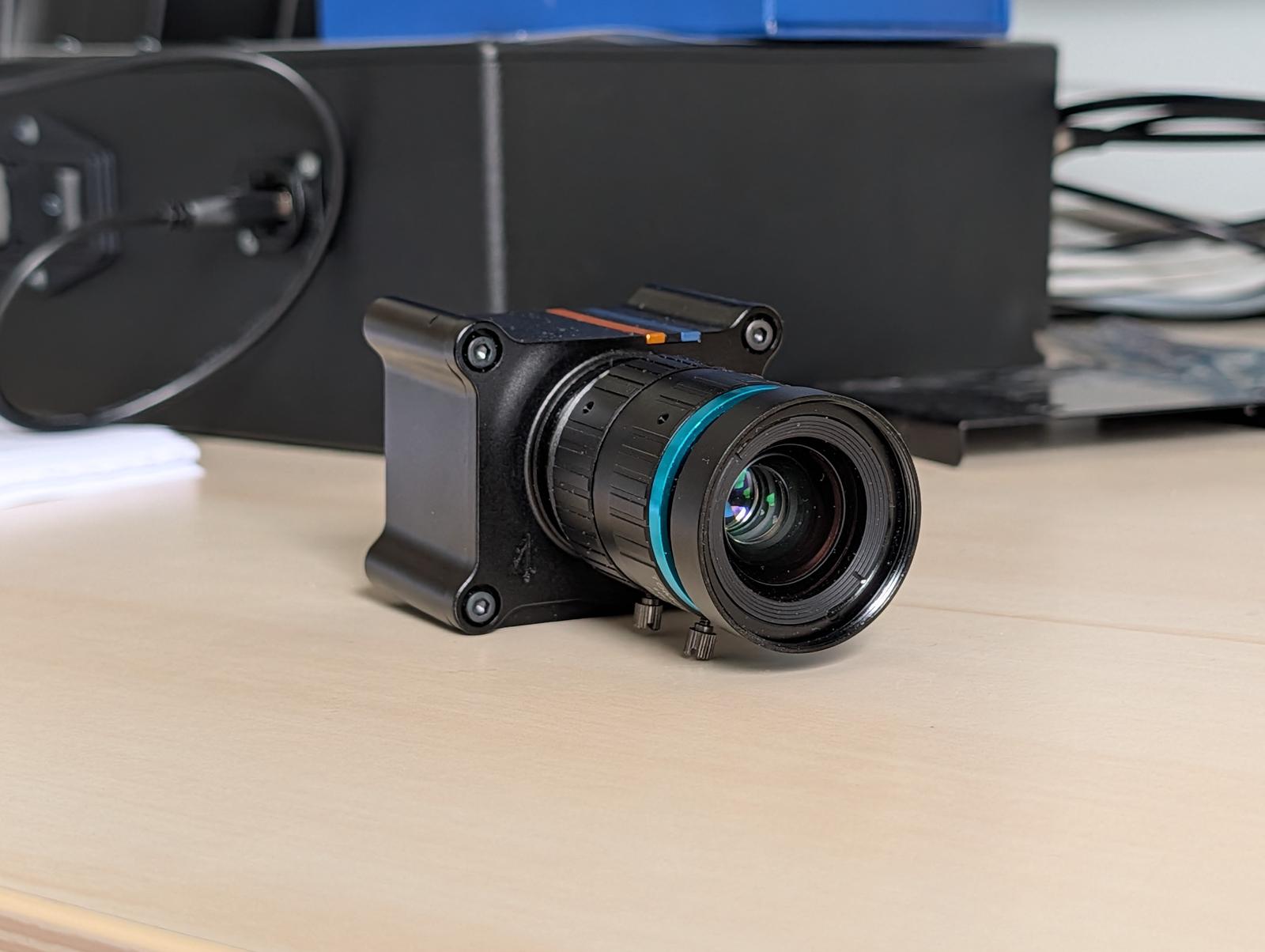
- Multispectral camera: Silios Toucan (4x4 color filter array in the VIS/NIR range, corresponding to 10 spectral bands)
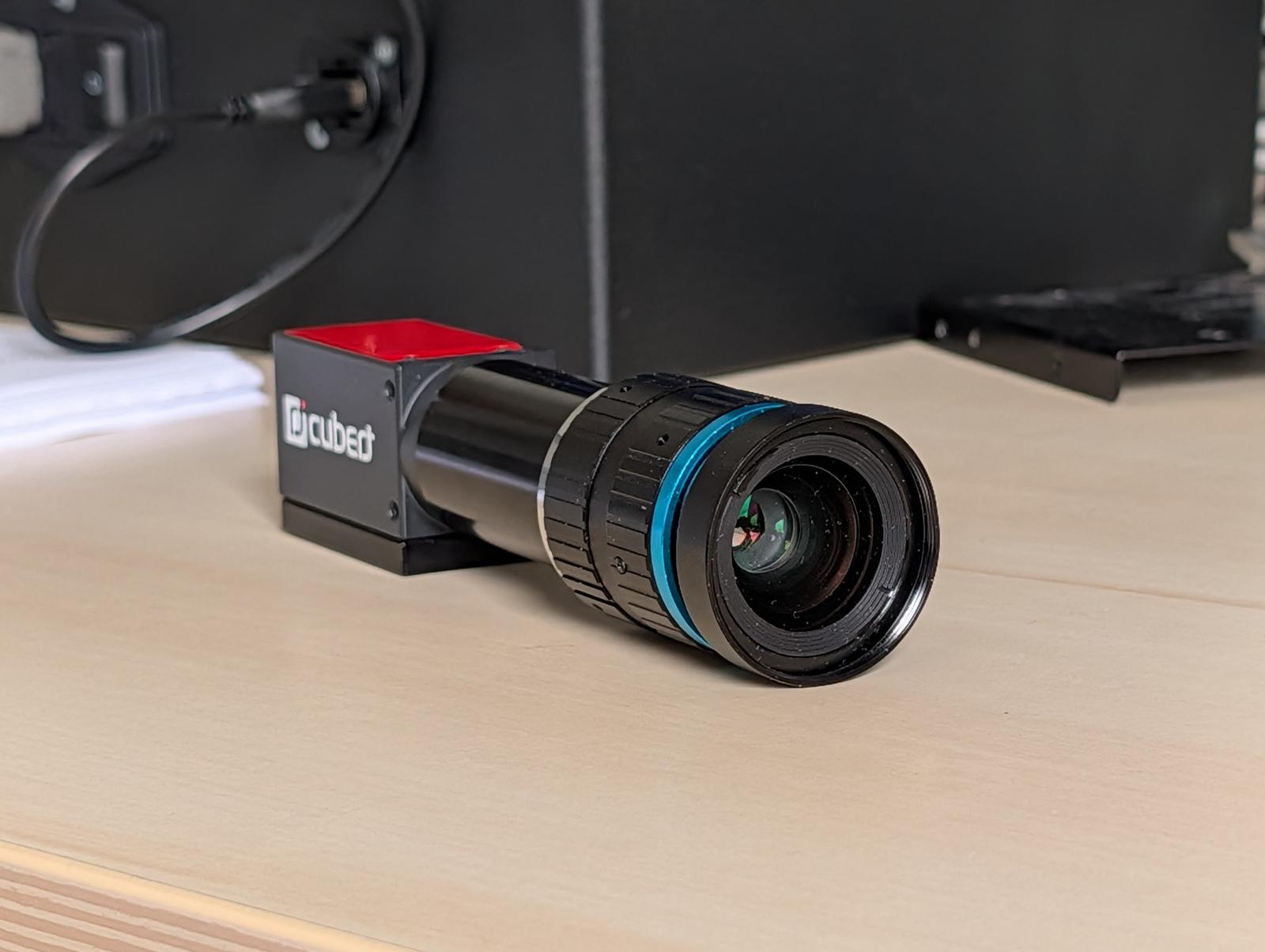
- Hyperspectral camera: Cubert Ultris SR5 (51 spectral bands in the VIS/NIR range)
The Toucan provides images at 512x512 spatial resolution, comprising 10 spectral bands, while the Ultris SR5 provides images at 275x290 spatial resolution, comprising 51 spectral bands. These complementary characteristics allow to compare between conventional RGB imaging and multi/hyper-spectral imaging.
Experimental Setup
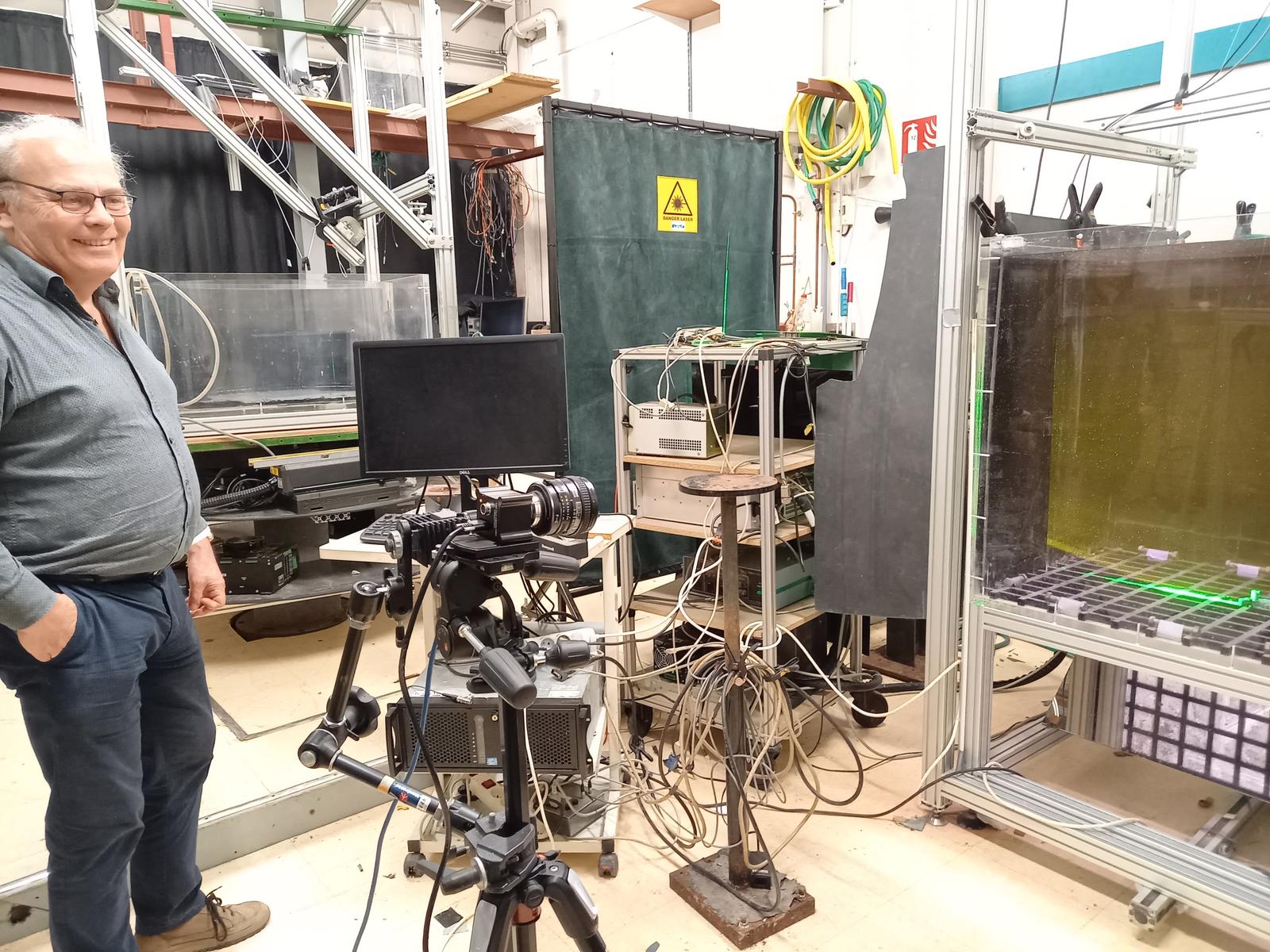
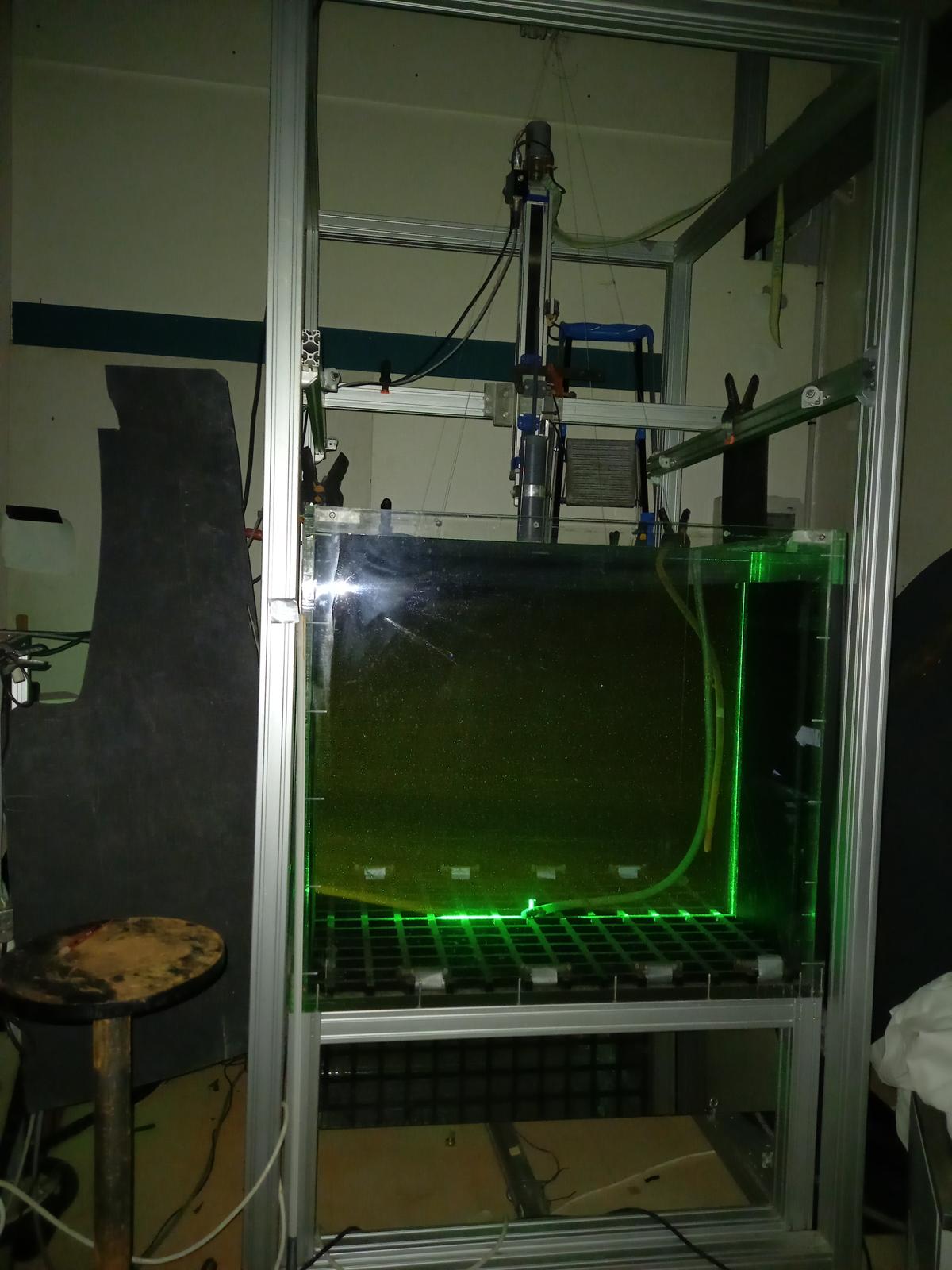
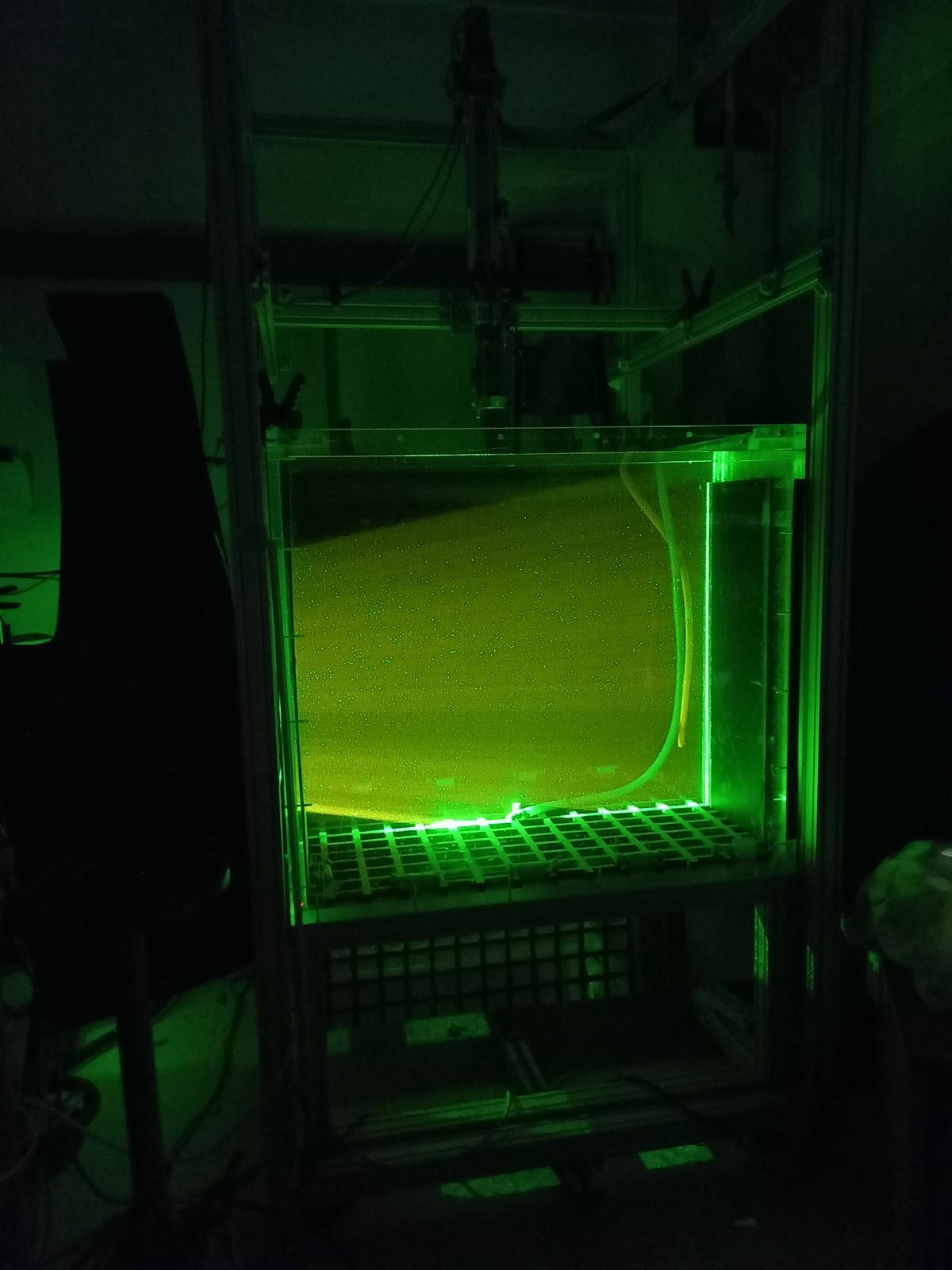
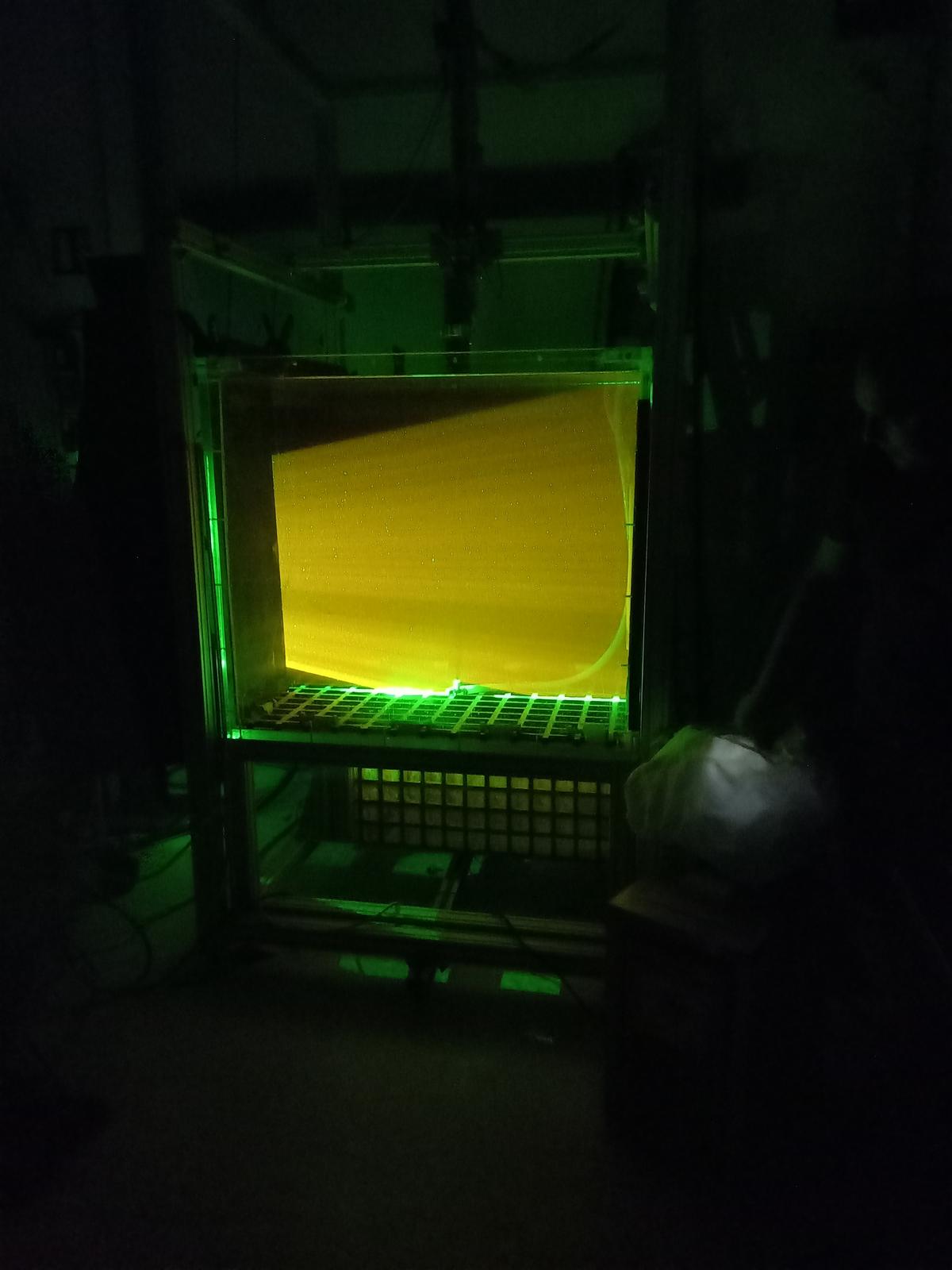
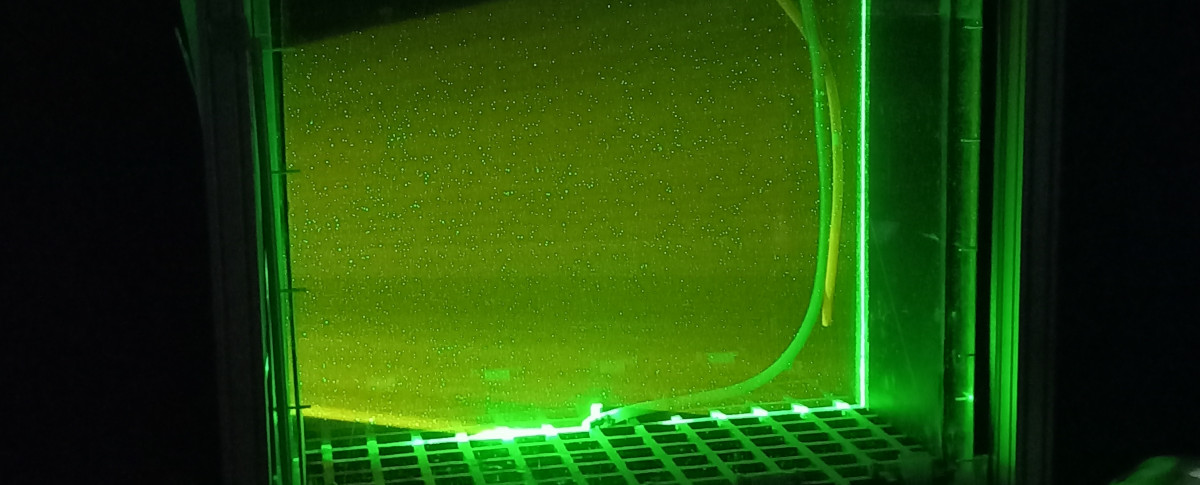
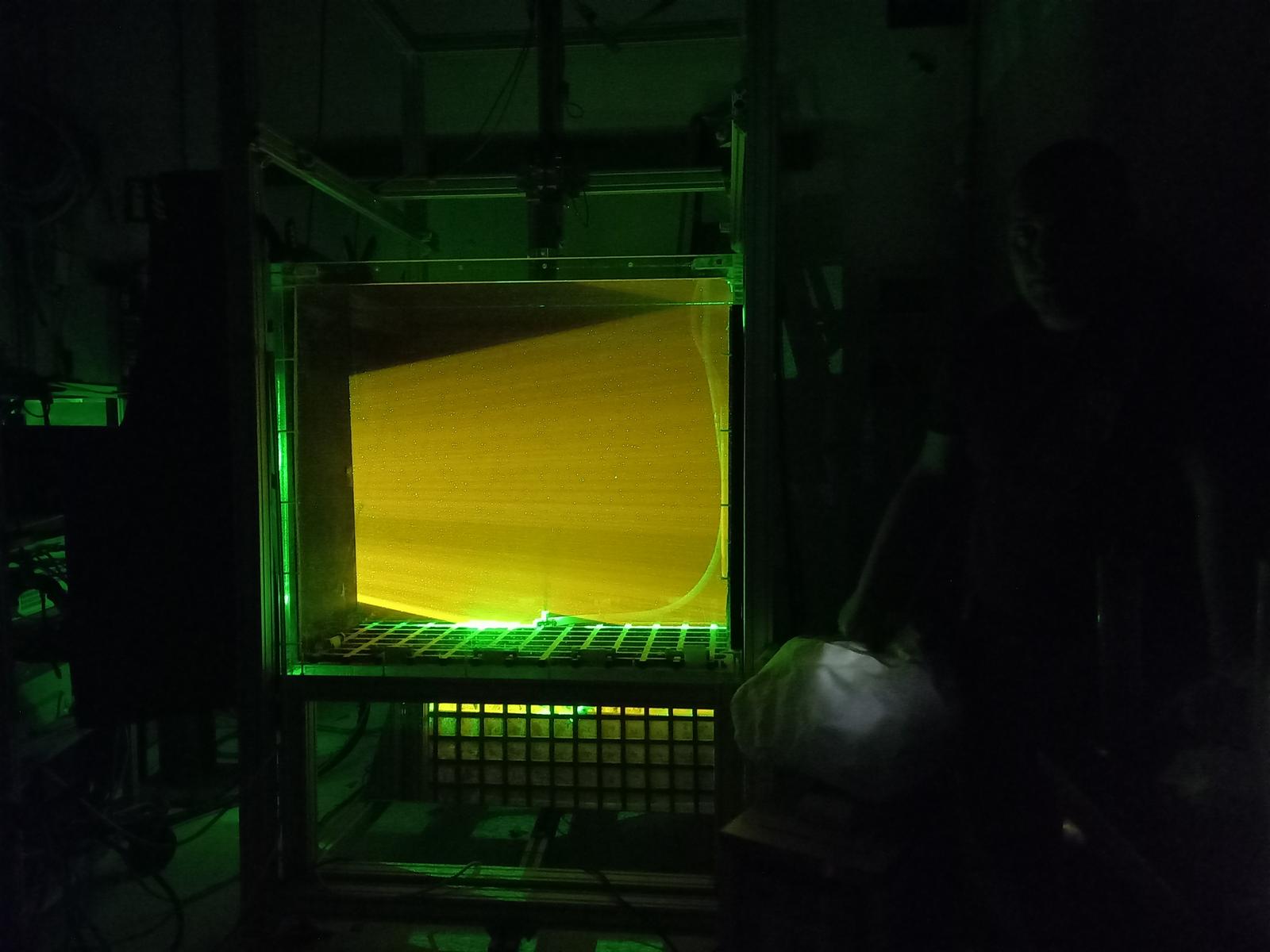
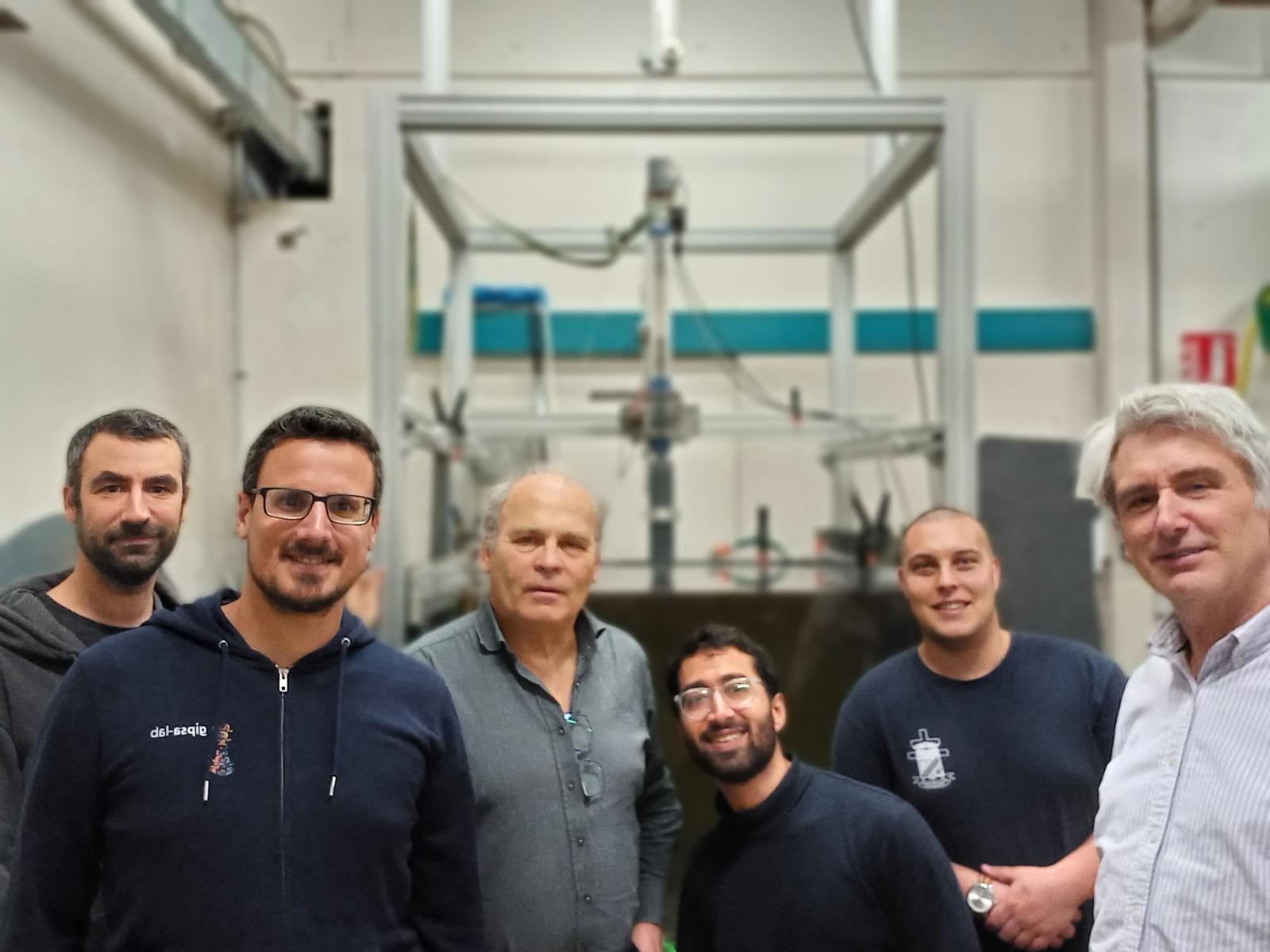
The imaging systems were installed around a LEGI experimental setup dedicated to flow characterization. The configuration involved:
- Controlled illumination conditions (dim room).
- Laser-based excitation.
- Dynamic flow scenarios.
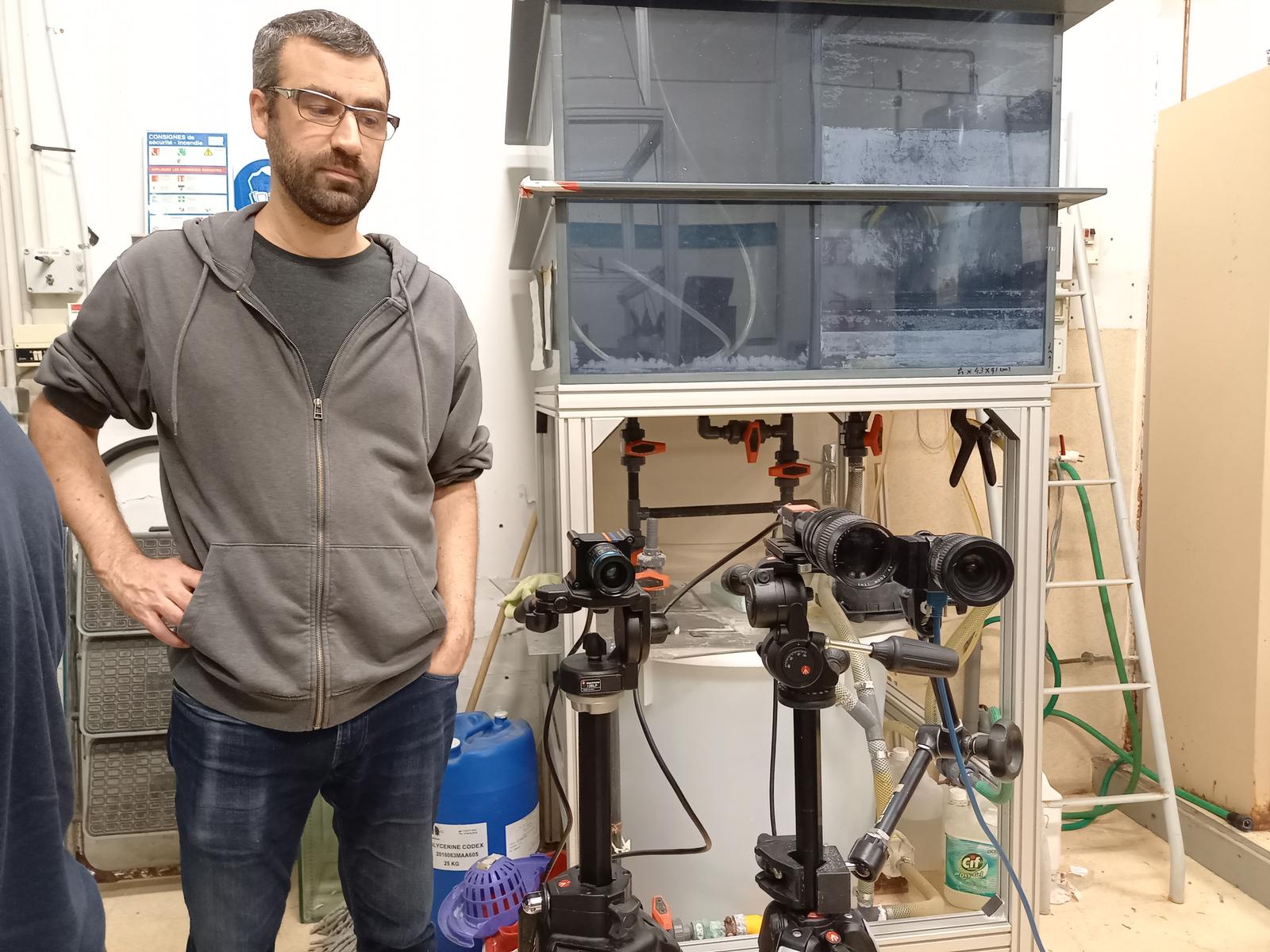
Toucan, Ultris SR5, Sony (RGB)
Role of the MIRA Platform
The MIRA platform contributed both instrumentation and technical expertise to the campaign. In addition to deploying the Silios Toucan multispectral and Cubert Ultris SR5 hyperspectral cameras, MIRA prepared the acquisition workflows, and organized the resulting dataset (approximately 30 GB).
The platform also supported discussions on spectral band selectivity, practical acquisition constraints, and the trade-offs between spatial and spectral resolution inherent to multispectral and hyperspectral systems. This collaboration illustrates the role of MIRA as a technological support platform, enabling application-driven evaluation of advanced spectral imaging systems in interdisciplinary experimental settings.
Acknowledgements
This work is supported partially by:
- The French National Research Agency (ANR), in the framework of the "Investissements d'avenir" programme, project V-Hyper: Hyper-Vision, reference ANR-15-IDEX-02.
- The Université Grenoble Alpes, in the framework of the "LabEx Persyval (2022)" programme, project SPECTRIM.
Supported By



Event Gallery